Hiring a skip bin is one of the easiest ways to manage waste from home renovations, clean-ups, or construction projects. But knowing what you can and can’t throw in is essential to avoid extra fees or legal issues.
This skip bin waste guide breaks down the most common items accepted—and those that are strictly prohibited.
What You CAN Put in a Skip Bin
1. Household Waste
General rubbish like packaging, toys, and non-hazardous items.
2. Green Waste
- Branches
- Leaves
- Grass clippings
3. Furniture
Old chairs, couches, tables, and mattresses.
4. Construction Waste
- Bricks
- Concrete
- Tiles
- Timber
5. Metal Items
Scrap metal, pipes, and old appliances (non-hazardous).
What You CANNOT Put in a Skip Bin
6. Hazardous Chemicals
- Paints
- Solvents
- Asbestos
- Pesticides
7. Batteries
Car batteries and lithium batteries require special disposal.
8. Gas Bottles
Highly dangerous and prohibited.
Why Restrictions Exist
These rules are in place to:
- Protect workers
- Prevent environmental damage
- Comply with NSW waste regulations
Ignoring them can result in:
- Extra charges
- Refused collection
- Legal penalties
Tips for Using a Skip Bin Efficiently
Choose the Right Size
Avoid overfilling or needing a second bin.
Don’t Overfill the Bin
Waste must stay below the rim for safe transport.
Separate Waste Types
This can reduce costs and improve recycling rates.
How Skips & Scrap Makes It Easy
With Skips & Scrap, you get:
- Clear guidelines on accepted waste
- Reliable delivery and pickup
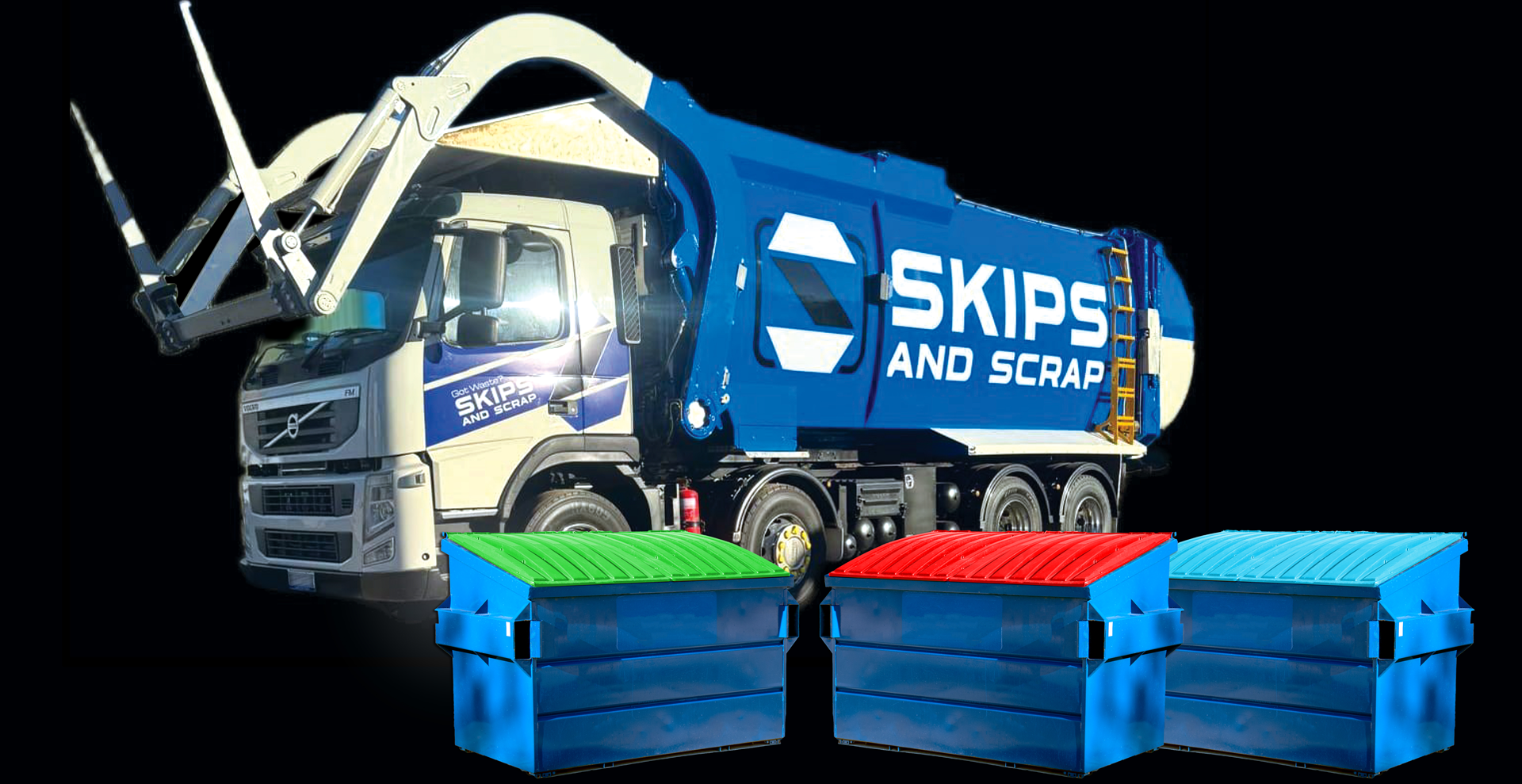
- Flexible bin sizes
- Expert support
They make waste disposal simple, compliant, and cost-effective.
Final Thoughts
Understanding what goes into your skip bin helps you avoid unnecessary costs and ensures responsible waste management. When in doubt, always check with your provider before disposal.